
Shoulder Pain at Night: 7 Common Causes, Best Sleeping Positions, and Effective Treatments
An evidence-based guide to nighttime shoulder pain, rotator cuff injuries, frozen shoulder, sleep-related discomfort, and treatments that may help.
 Image source: pseguin.com
Does shoulder pain become worse when you lie down? Does it wake you in the middle of the night or prevent you from sleeping on your favourite side? Nighttime shoulder pain is common, but persistent symptoms may indicate an underlying shoulder condition that deserves attention.
Understanding why the pain occurs—and how to manage it—can improve sleep, reduce discomfort, and help prevent prolonged disability.
1Why Does Shoulder Pain Get Worse at Night?
Shoulder pain can become more noticeable at night for several reasons.
Lying directly on the painful shoulder places pressure on sensitive tissues. Certain sleeping positions may also compress or stretch irritated tendons and surrounding structures.
Inflammation, reduced movement during sleep, and increased awareness of pain in a quiet environment may contribute to nighttime discomfort.
Although night pain frequently occurs with rotator cuff disorders, it is not specific to a tendon tear. Frozen shoulder, arthritis, cervical spine conditions, and other problems can produce similar symptoms.
2Seven Common Causes of Shoulder Pain at Night
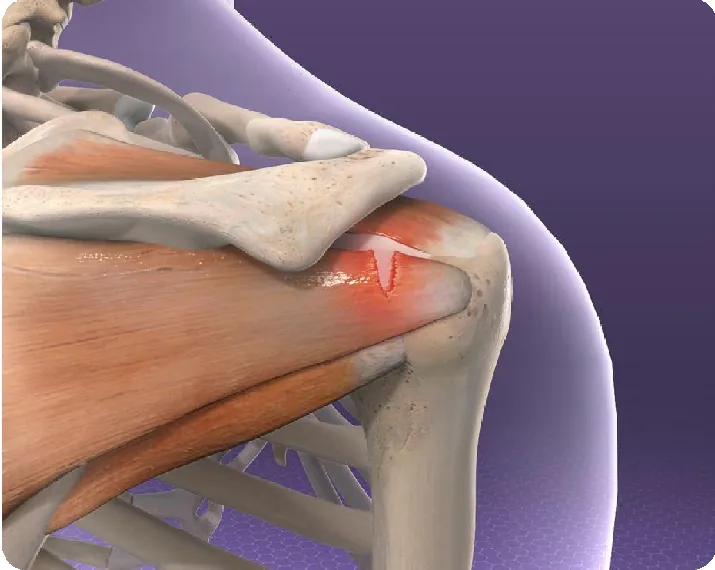 Rotator cuff disordersPain with lifting or reaching overhead, sometimes accompanied by weakness
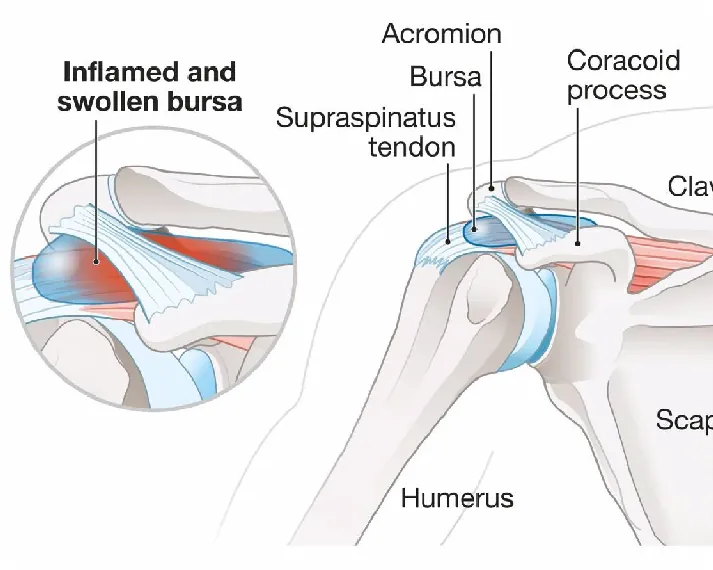
Subacromial bursitisPain around the outer shoulder, often aggravated by lying on that side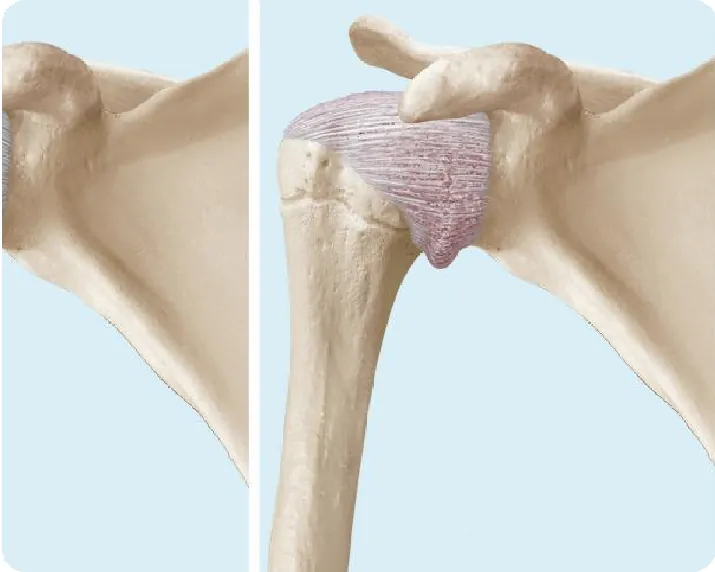 Frozen shoulderProgressive pain with marked restriction of shoulder movement
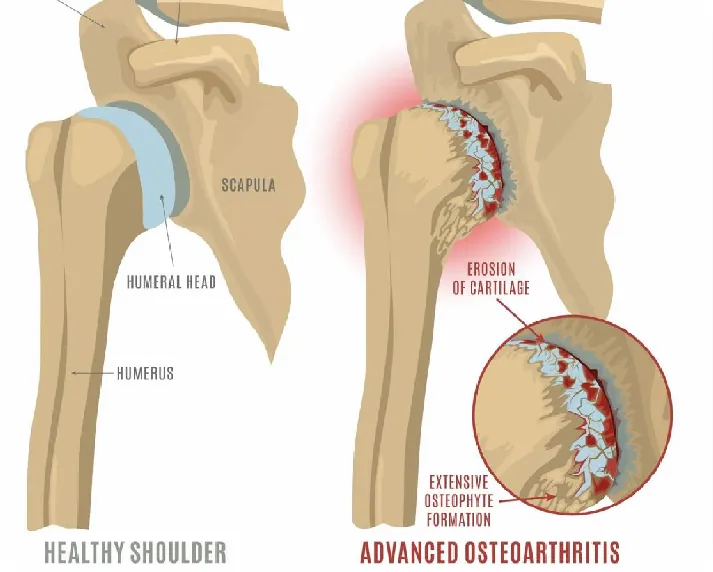
Shoulder arthritisDeep joint pain, stiffness, and sometimes grinding sensations
Other causes include:
- Calcific tendinopathy: Calcium deposits within rotator cuff tendons can sometimes cause sudden, severe shoulder pain, including at night.
- Acromioclavicular (AC) joint disorders: Arthritis or injury affecting the joint at the top of the shoulder may make side-sleeping uncomfortable.
- Cervical radiculopathy: Irritation of a nerve in the neck can produce pain extending towards the shoulder or arm, sometimes with tingling, numbness, or weakness.
Less commonly, infection, fracture, inflammatory disease, or other serious conditions may cause shoulder pain and require prompt assessment.
3Is Your Night Pain Caused by a Rotator Cuff Tear or Frozen Shoulder?
These conditions can produce similar discomfort but often have different clinical features.
| Symptom | Rotator cuff disorder | Frozen shoulder |
|---|---|---|
| Night pain | Common | Common, especially early |
| Pain when lifting arm | Common | Common |
| Shoulder weakness | May be present | Often limited by pain and stiffness |
| Passive movement | Often relatively preserved | Markedly restricted |
| Difficulty reaching behind back | Possible | Very common |
| Typical course | Variable | May progress through painful and stiff phases |
A rotator cuff tear may be suspected when pain is accompanied by weakness, particularly after injury. Frozen shoulder is more likely when both active and passive shoulder movements become restricted.
Neither diagnosis should be made from symptoms alone.
4Which Sleeping Position Is Best for Shoulder Pain?
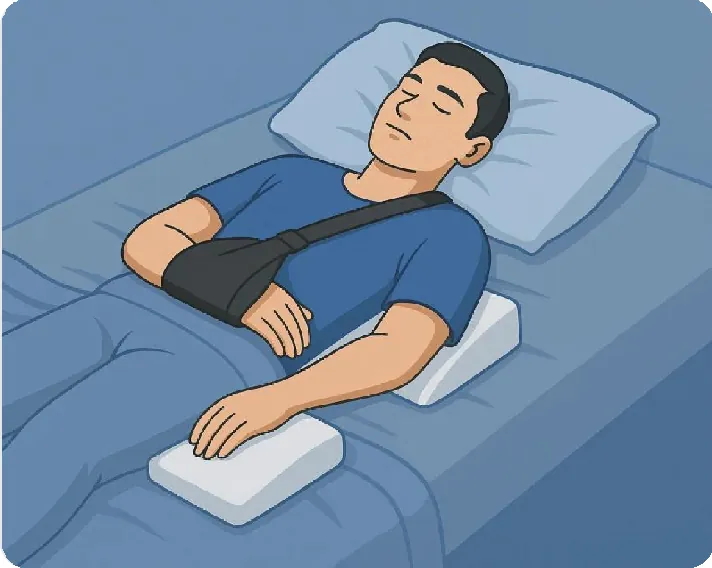 Sleep on your backSupport the painful arm with a small pillow beneath the elbow and forearm.

Sleep on the unaffected sideHug a pillow to support the painful arm without allowing it to hang forward. Try a reclined positionA wedge pillow or adjustable bed may improve comfort during painful episodes.
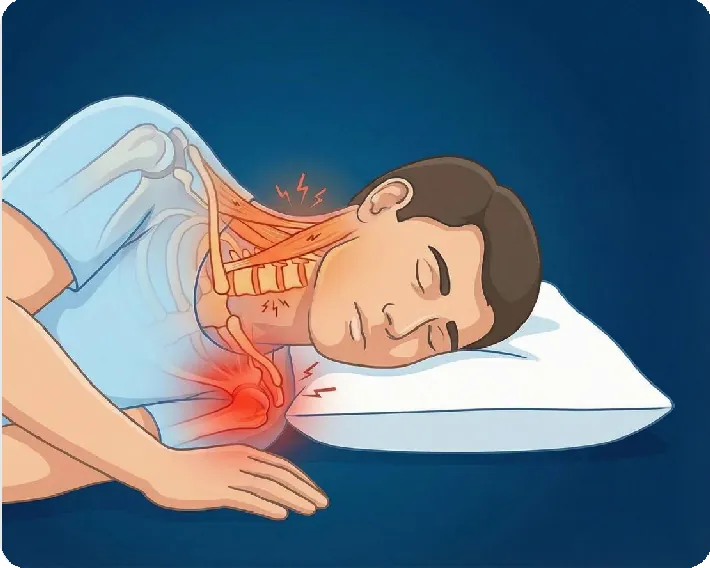
Avoid direct pressureDo not sleep directly on the affected shoulder if this worsens your pain.
5What Should You Do When Shoulder Pain Keeps You Awake?
Most uncomplicated shoulder problems can initially be managed without surgery.
- Modify painful activities: Temporarily reduce repetitive overhead lifting and heavy loads, without completely immobilising the shoulder.
- Use cold or warmth: Ice may relieve pain after activity, while gentle warmth can help stiffness. Use a protective cloth to avoid skin injury.
- Begin appropriate rehabilitation: Gentle mobility and progressive strengthening exercises may improve function. Exercises should match the diagnosis and stage of recovery.
- Consider pain medication: Paracetamol or non-steroidal anti-inflammatory drugs may be appropriate for selected patients, depending on their medical history and contraindications.
- Improve sleep support: Use pillows to maintain a comfortable arm position.
Corticosteroid injections may provide short-term relief in selected conditions, but repeated injections are not an ideal long-term solution for every shoulder disorder.
6Shoulder Pain at Night: When Should You See a Doctor?
Seek medical assessment if pain repeatedly interrupts sleep, persists for more than a couple of weeks, follows an injury, or is associated with worsening stiffness or weakness.
Sudden severe shoulder pain with chest discomfort or breathlessness requires emergency evaluation because pain can sometimes originate outside the shoulder.
7Does Nighttime Shoulder Pain Require Surgery?
Not usually. Many patients improve with activity modification, physiotherapy, and appropriate medication.
Surgery may be considered for selected traumatic rotator cuff tears, persistent symptomatic tears, or advanced arthritis when non-surgical treatment has not provided adequate relief.
The decision should be based on the diagnosis, functional impairment, patient preferences, and expected benefits and risks—not night pain alone.
Conclusion: Better Sleep Begins with Understanding the Cause
Nighttime shoulder pain can result from rotator cuff disorders, frozen shoulder, bursitis, arthritis, or other conditions.
Simple changes in sleeping position, guided rehabilitation, and appropriate treatment may substantially improve comfort. However, persistent pain, progressive weakness, or significant movement restriction should not be ignored.
The goal is not merely to sleep without pain, but to restore shoulder function and maintain long-term joint health.
Cepienta — Advancing Evidence-Based Orthopaedic Knowledge for Better Patient Care.
Scientific references
- American Academy of Orthopaedic Surgeons. (2025). Management of Rotator Cuff Injuries: Clinical Practice Guideline. AAOS clinical guideline
- National Health Service. Shoulder pain. NHS patient guidance
- National Health Service. Frozen shoulder. NHS clinical information
- Lewis, J. (2016). Rotator cuff related shoulder pain: Assessment, management and uncertainties. Manual Therapy, 23, 57–68. Read scientific review
- Challoumas, D., et al. (2020). Comparison of treatments for frozen shoulder: A systematic review and meta-analysis. JAMA Network Open, 3(12), e2029581. Read systematic review
More from the Cepienta blog
- Shoulder
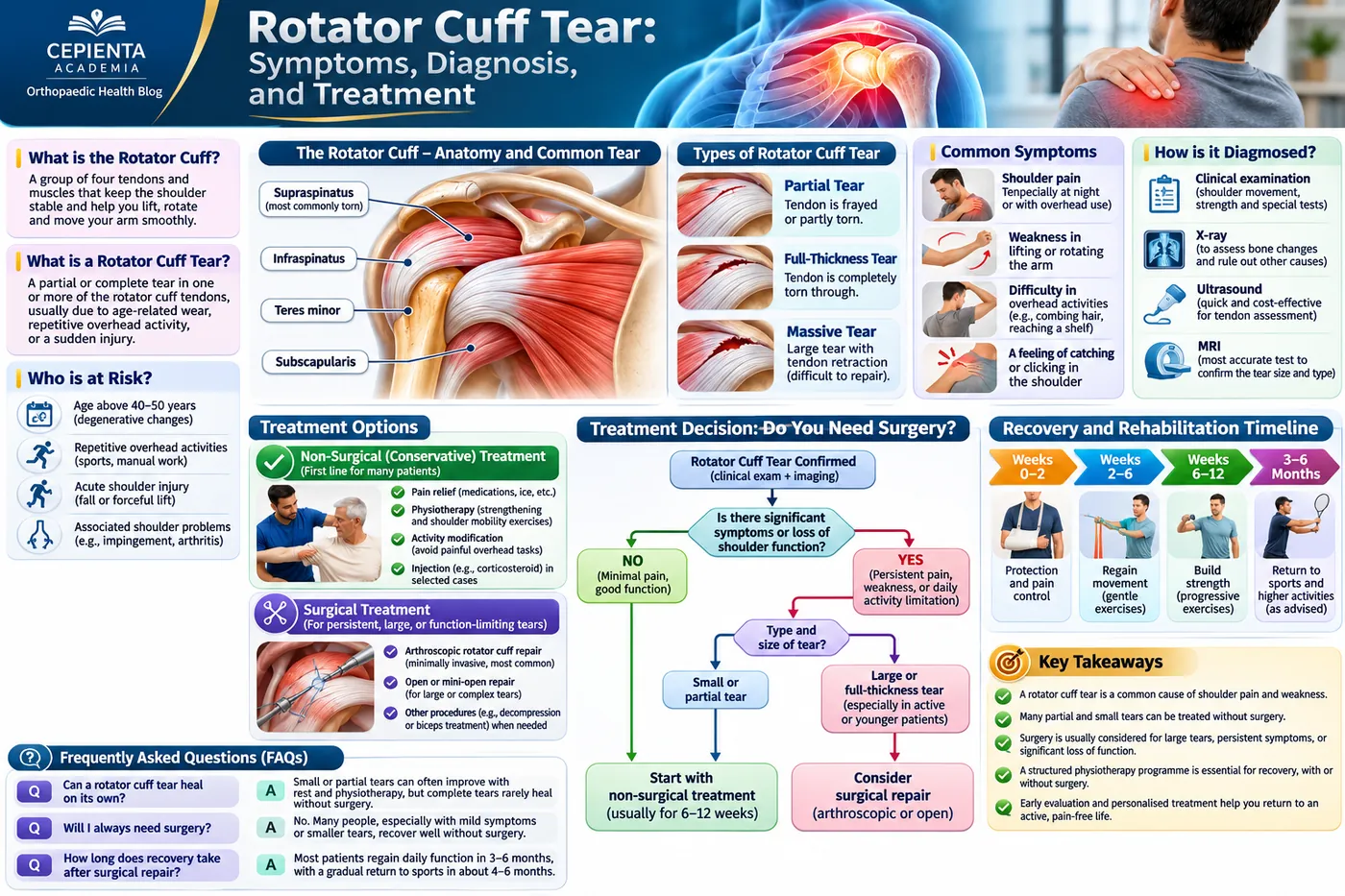
Rotator Cuff Tear: Symptoms, Diagnosis, and Treatment
Learn the signs of a rotator cuff tear, how doctors diagnose it, when physiotherapy helps, when surgery is needed and what recovery involves.
- Spine
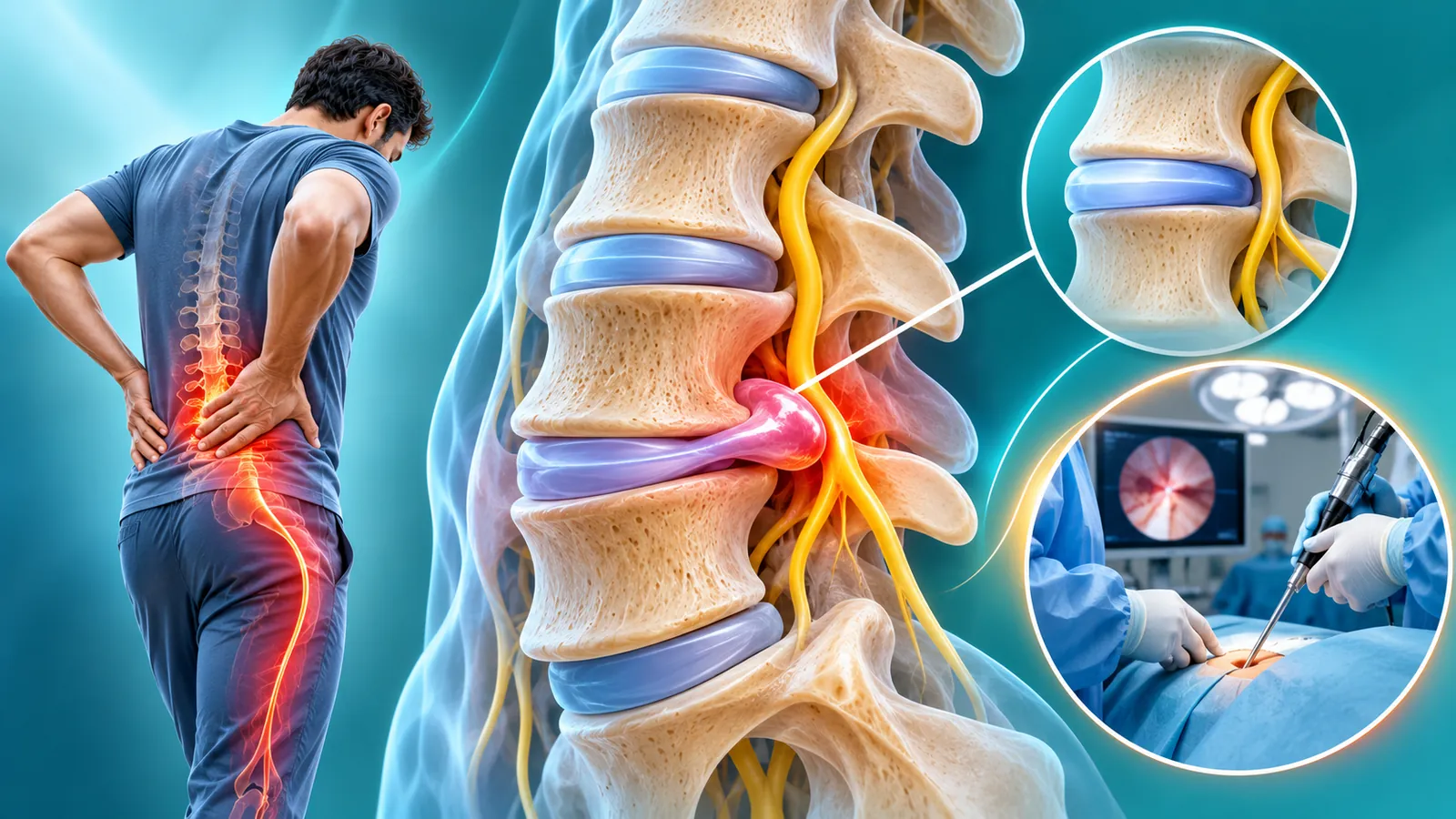
Herniated Disc: When Is Spine Surgery Necessary?
Does a herniated disc need surgery? Learn warning signs, sciatica treatments, MRI findings, microdiscectomy benefits, risks, and recovery timelines.
- Spine
Lower Back Pain: Causes, Treatment, and Exercises That Help
Lower back pain? Learn the common causes, warning signs that need a doctor, treatments that work and 8 simple exercises to ease pain and protect your back.