
Osteoporosis: How to Prevent Fragility Fractures
A practical, evidence-based guide to stronger bones, fracture-risk assessment, fall prevention, and effective treatment.
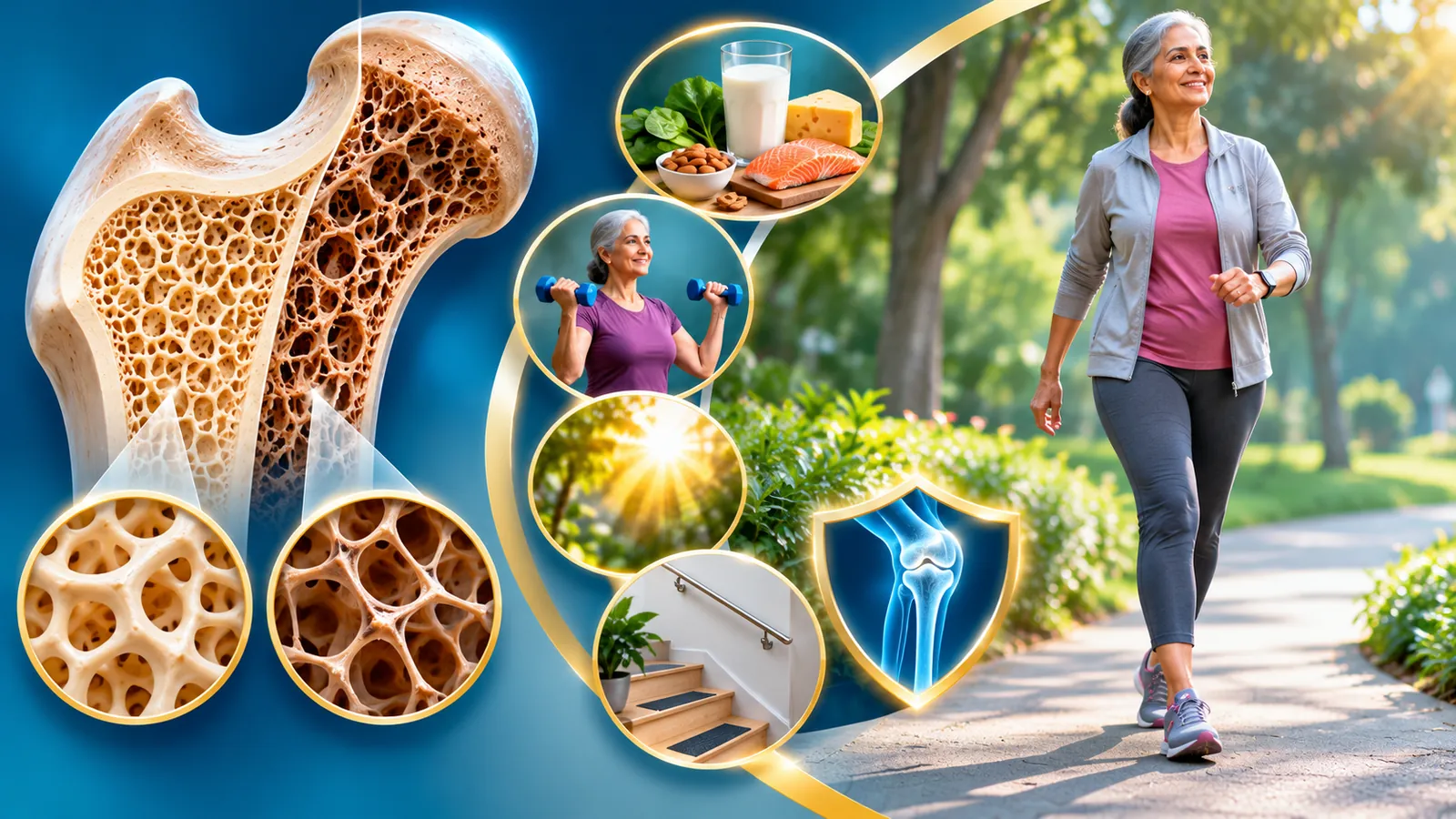
A simple fall should not cause a broken hip or wrist. Yet osteoporosis can weaken bones silently for years until a fracture occurs. The encouraging news is that many fragility fractures can be prevented through early risk assessment, safer movement, targeted exercise, and effective medical treatment.
1What Is Osteoporosis? Why Are Fragility Fractures Dangerous?
Osteoporosis is a skeletal disorder characterised by reduced bone strength and increased susceptibility to fractures. A fragility fracture typically occurs after low-energy trauma, such as a fall from standing height or less. Common sites include the hip, spine, wrist, and proximal humerus. Vertebral fractures can also occur with minimal apparent trauma.
These injuries are more than painful: hip fractures can threaten independence, while vertebral fractures may cause height loss, kyphosis, and persistent back pain. A previous fragility fracture is an important warning of future fracture risk.
2Who Is Most at Risk of Osteoporosis?
Risk increases with age, especially after menopause, but osteoporosis also affects men and younger people with secondary causes. Important risk factors include a previous low-trauma fracture, parental hip fracture, low body weight, smoking, heavy alcohol use, prolonged oral glucocorticoid treatment, early menopause, and selected endocrine, inflammatory, or malabsorptive disorders.
Not everyone at high risk has a low bone-density result. Age, falls, prior fractures, and clinical risk factors matter alongside the DXA scan.
3What Are the Warning Signs?
Osteoporosis usually has no early symptoms. The first clue may be a wrist fracture after a minor fall, a hip fracture, unexplained loss of height, new stooping, or sudden back pain from a vertebral compression fracture. New severe back pain after minimal trauma warrants medical evaluation.
4How Is Osteoporosis Diagnosed?
A clinician combines fracture history, examination, risk factors, and bone mineral density measured by dual-energy X-ray absorptiometry (DXA). In postmenopausal women and men aged 50 years or older, a T-score of −2.5 or lower at an appropriate skeletal site supports a densitometric diagnosis of osteoporosis. A fragility hip or vertebral fracture may justify treatment regardless of the T-score.
FRAX estimates the 10-year probability of major osteoporotic and hip fracture using clinical factors, with or without femoral-neck bone density. Treatment thresholds vary by country and guideline. Blood tests may be used to investigate secondary causes.
5Seven Evidence-Based Ways to Prevent Fragility Fractures
1. Eat enough calcium. Prefer calcium-rich foods such as dairy products, fortified alternatives, tofu, and selected leafy greens. Many older adults need roughly 1,000–1,200 mg/day in total, depending on age, sex, and local guidance; avoid unnecessary excess supplements.
2. Correct vitamin D deficiency. Vitamin D supports calcium absorption. Supplementation should be tailored to dietary intake, deficiency risk, and clinical circumstances; routine high-dose supplementation is not a substitute for osteoporosis treatment.
3. Build muscle and bone. Combine progressive resistance training with appropriate weight-bearing activity. Exercises should be adapted for frailty, fracture history, and spinal precautions.
4. Practise balance training. Tai chi and supervised balance or functional exercise can reduce falls in selected older adults.
5. Make the home safer. Improve lighting, secure rugs, use handrails, and address slippery floors and unsafe footwear.
6. Stop smoking and limit alcohol. Both are modifiable contributors to poor bone health and fracture risk.
7. Treat osteoporosis when indicated. For high-risk patients, prescription medication can reduce fracture risk substantially; lifestyle measures alone may not be enough.
6Preventing Falls: Protecting Bones Beyond the DXA Score
Most hip fractures follow a fall. Prevention therefore requires both stronger bones and fewer falls. Check vision, review medicines that cause dizziness or sedation, address foot problems, and improve mobility. People who have already fallen or fear falling may benefit from a multifactorial falls assessment.
7Which Osteoporosis Medicines Prevent Fractures?
Bisphosphonates such as alendronate or zoledronic acid are commonly used first-line for many people at high fracture risk. Denosumab is another antiresorptive option, but it must not be stopped or delayed without a planned follow-on treatment because rapid bone loss and vertebral fractures can occur.
For selected patients at very high fracture risk, bone-forming treatments such as teriparatide or romosozumab may be considered, followed by an antiresorptive medicine to preserve gains. Choice depends on fracture history, kidney function, contraindications, access, and patient preferences.
| Approach | Role in prevention | Important consideration |
|---|---|---|
| Exercise and fall prevention | Reduces falls; improves strength and function | Complementary to medication when risk is high |
| Calcium and vitamin D | Corrects inadequate intake or deficiency | Does not replace proven anti-fracture therapy |
| Bisphosphonates | Reduces vertebral and, for some agents, hip fractures | Review renal function and dosing instructions |
| Denosumab | Reduces vertebral, hip and nonvertebral fractures | Never stop without a transition plan |
| Anabolic / dual-action therapy | For selected very-high-risk patients | Usually requires subsequent antiresorptive treatment |
8What Should You Do After a Fragility Fracture?
A low-trauma fracture should trigger evaluation for osteoporosis and future fracture prevention, ideally through a fracture liaison service. Assessment includes bone health, falls risk, secondary causes, and treatment suitability. Rehabilitation helps restore mobility and confidence; a fracture should not be dismissed as an inevitable part of ageing.
9Can Osteoporosis Be Reversed?
Bone density and fracture risk can improve with appropriate therapy, but “reversal” is an oversimplification. The meaningful goal is to prevent fractures, preserve independence, and reduce future risk. Follow-up may include treatment adherence review, new-fracture assessment, and repeat DXA when clinically useful.
10When Should You Seek Medical Advice?
Arrange assessment after any fracture from a minor fall, unexplained height loss, new persistent back pain, or long-term steroid exposure. Seek urgent care after a fall if you cannot bear weight, suspect a hip fracture, or develop severe pain or neurological symptoms.
Conclusion: Prevent the First Fracture—and the Next One
Osteoporosis is often silent, but fragility fractures are not inevitable. A combination of timely risk assessment, adequate nutrition, muscle and balance training, fall prevention, and evidence-based medication can help protect mobility and independence. After a first fragility fracture, prompt secondary prevention is particularly important.
Frequently asked questions
Can I have osteoporosis without pain?
Yes. Osteoporosis often causes no symptoms until a fracture occurs.
Is walking enough to prevent osteoporosis?
Walking supports activity, but resistance and balance training are also important.
Does everyone with osteoporosis need medication?
Treatment depends on overall fracture risk, prior fractures, bone density, and patient preferences.
Is a DXA scan enough to decide treatment?
No. Fracture history and clinical risk factors are equally important.
Can calcium supplements alone prevent hip fractures?
They are not an adequate substitute for fracture-prevention medication in high-risk patients.
Scientific References and Clinical Resources
- Bone Health & Osteoporosis Foundation. The clinician’s guide to prevention and treatment of osteoporosis. Osteoporosis International (2022). https://link.springer.com/article/10.1007/s00198-021-05900-y
- National Osteoporosis Guideline Group (NOGG). Clinical guideline for prevention and treatment of osteoporosis. https://www.nogg.org.uk/full-guideline
- International Osteoporosis Foundation. Capture the Fracture: Fracture Liaison Services. https://www.osteoporosis.foundation/our-network/capture-fracture
- Centers for Disease Control and Prevention. STEADI: Older Adult Fall Prevention. https://www.cdc.gov/steadi/
- US Preventive Services Task Force. Osteoporosis to Prevent Fractures: Screening (2025). https://www.uspreventiveservicestaskforce.org/
More from the Cepienta blog
- Spine
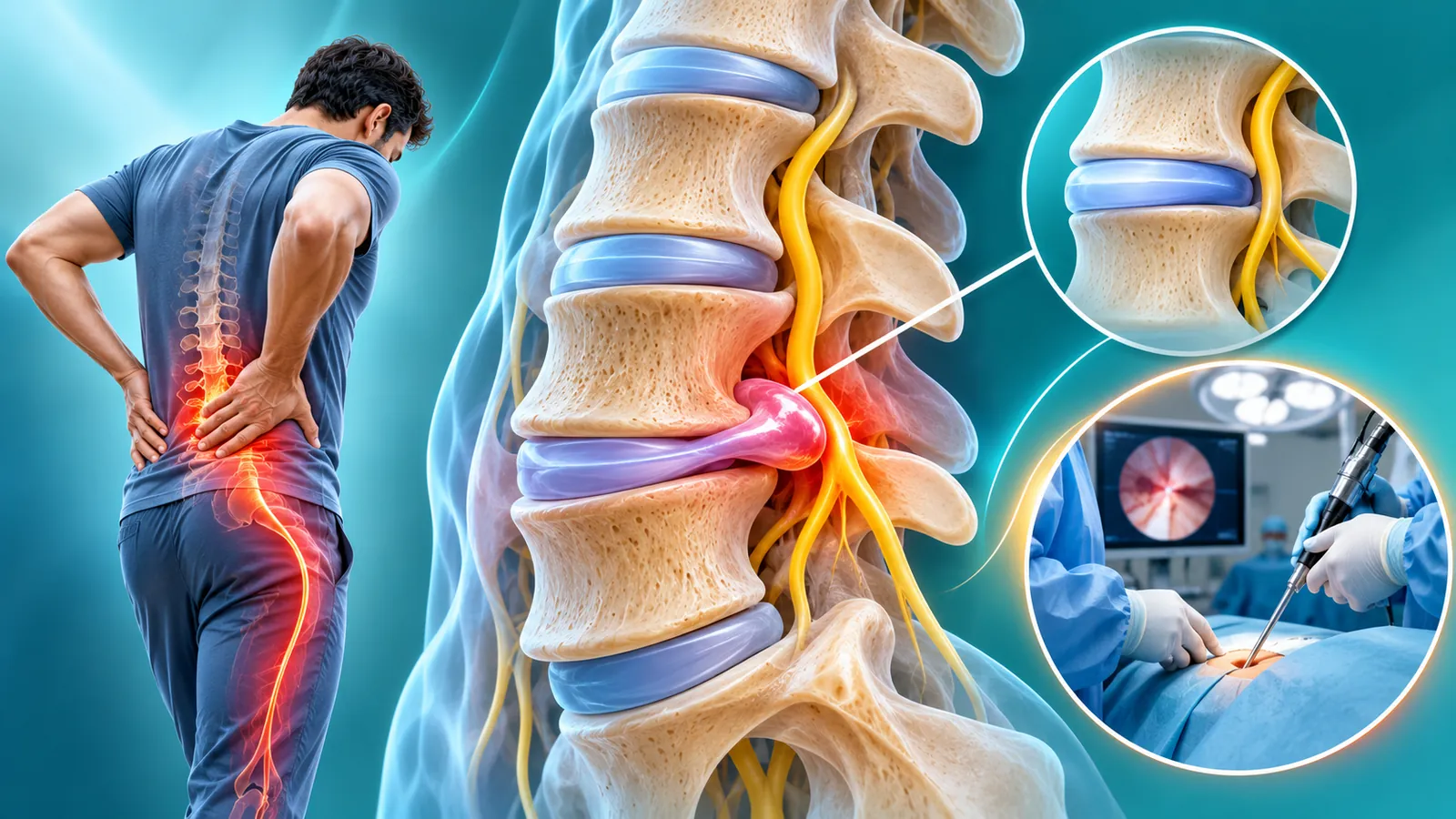
Herniated Disc: When Is Spine Surgery Necessary?
Does a herniated disc need surgery? Learn warning signs, sciatica treatments, MRI findings, microdiscectomy benefits, risks, and recovery timelines.
- Spine
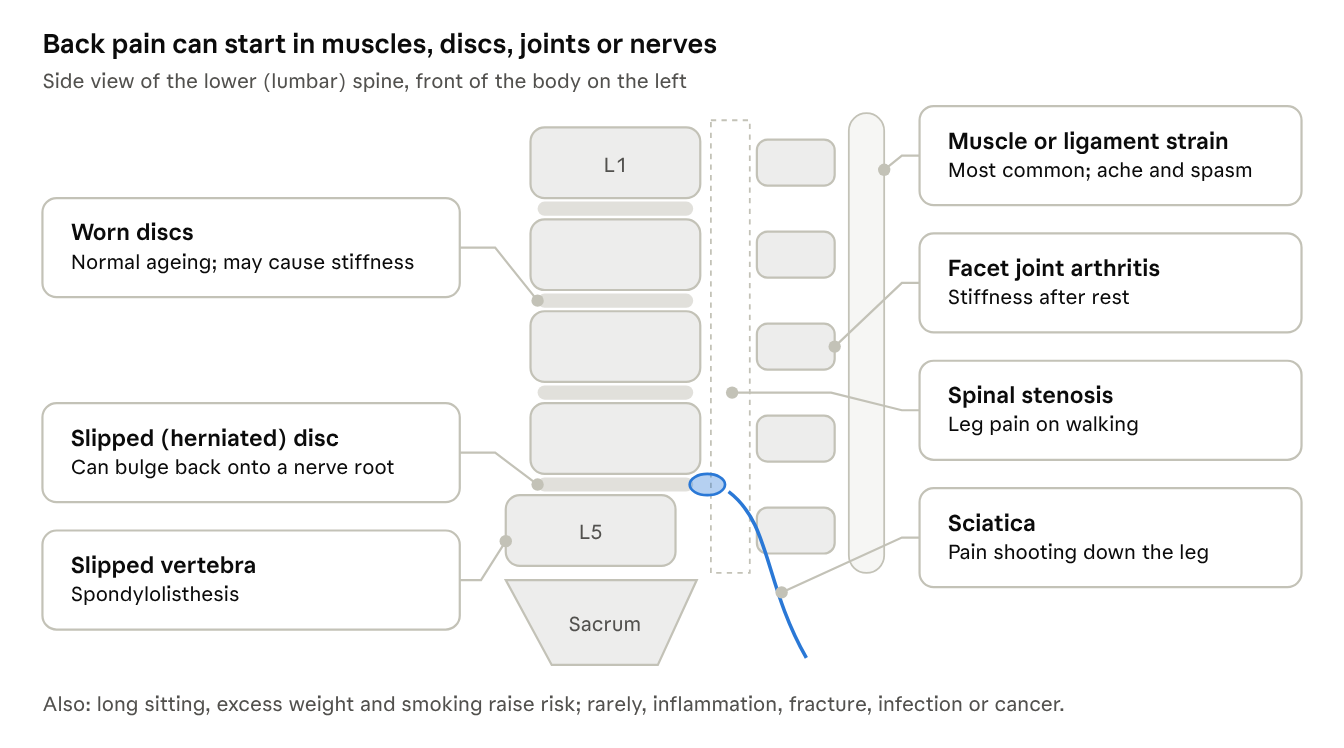
Lower Back Pain: Causes, Treatment, and Exercises That Help
Lower back pain? Learn the common causes, warning signs that need a doctor, treatments that work and 8 simple exercises to ease pain and protect your back.
- Knee
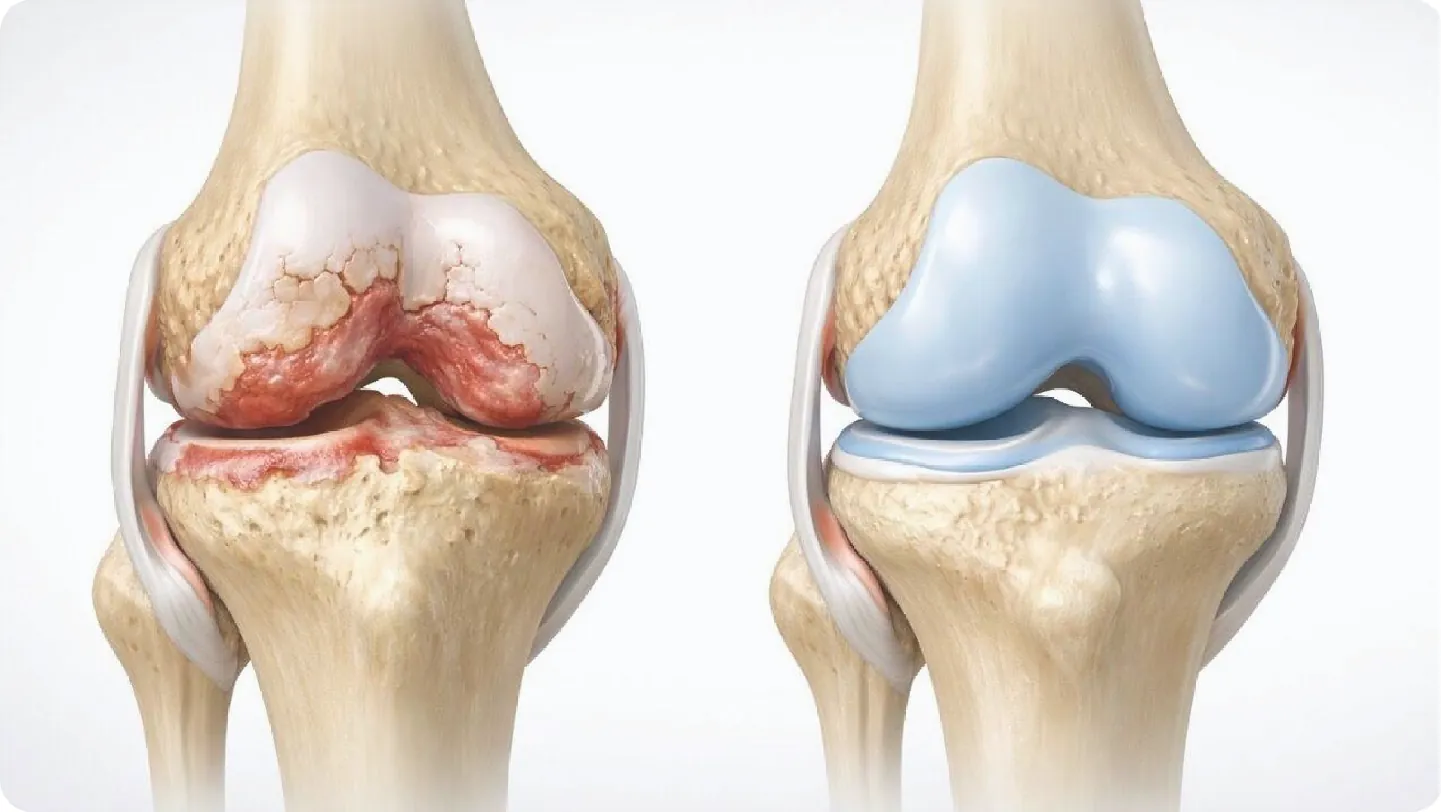
Knee Osteoarthritis: Can You Avoid Surgery? Evidence-Based Treatments That Really Work
An evidence-based guide to non-surgical knee osteoarthritis treatment, pain relief, joint preservation, and when knee replacement may be necessary.